-
Shop By Age
-
Adult
1-6 years
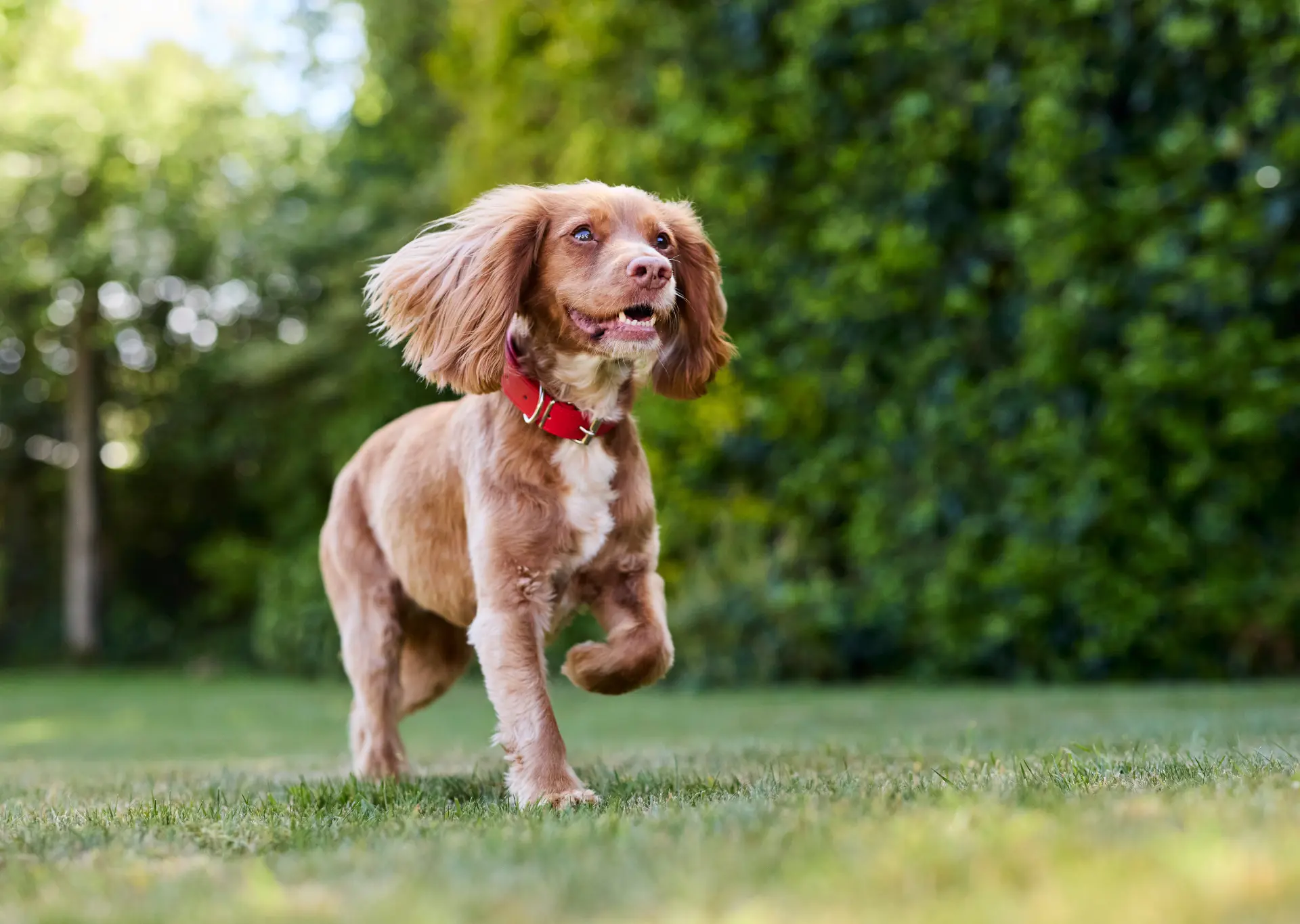
Dog Walking Tips: A Guide to Safe, Happy Walks
December 24, 2025
Introduction: Why Dog Walking Matters for Health and Happiness
Every walk is an adventure waiting to happen. For your dog, it’s more than exercise — it’s a chance to explore, sniff, and wag their way to happiness. Regular walks support physical health, prevent obesity, and provide essential mental stimulation. For you, it’s quality time to bond and enjoy the outdoors together.
Understanding Your Dog’s Walking Needs
How Often Should You Walk Your Dog?
Most dogs need one to two walks a day, but this varies by breed, age, and health. High-energy dogs like Collies or Labradors need more frequent exercise, while smaller breeds or seniors may prefer shorter strolls.
How Long Should Walks Be for Different Dog Breeds?
- Small breeds (e.g. Pugs, Dachshunds): 20–40 minutes
- Medium breeds (e.g. Cocker Spaniels, Beagles): 45–60 minutes
- Large breeds (e.g. Labradors, Retrievers): 1–2 hours
Consistency matters more than distance — keep walks enjoyable and stress-free.
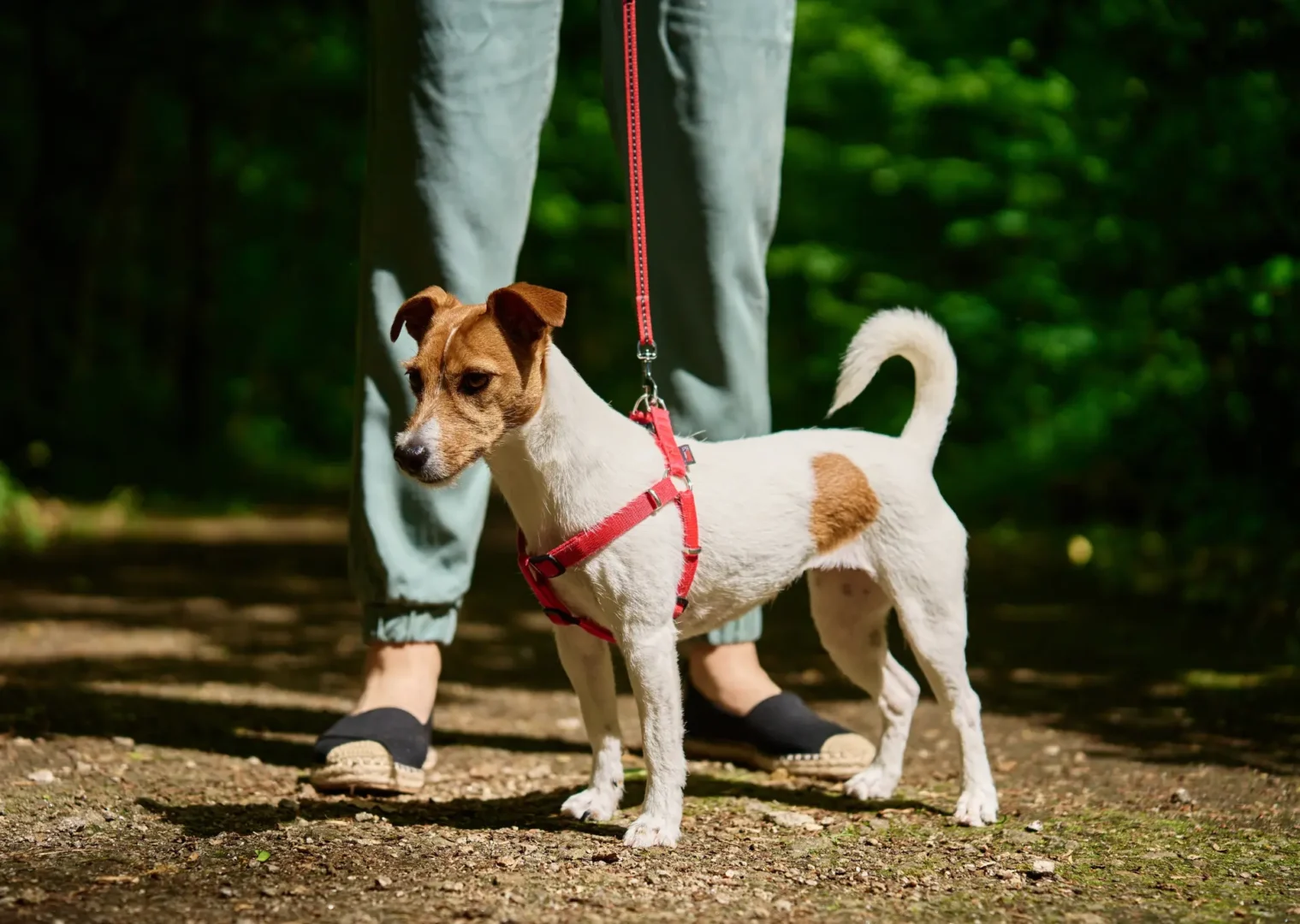
What you’ll need for a dog walk
Choosing the Right Dog Lead, Collar, or Harness for Walks
A secure harness is ideal for dogs that pull, reducing strain on the neck and giving you better control.
Dog Walking Essentials for the UK Weather
British weather is unpredictable — pack a waterproof jacket, towel, and reflective gear. In summer, walk during cooler hours and carry water to prevent overheating.
How to Stay Visible and Safe on Evening Dog Walks
Use reflective collars, clip-on lights, or bright clothing so drivers and cyclists can see you clearly.
How to Make Dog Walks More Enjoyable
- Let Them Sniff: Sniffing is essential for mental stimulation.
- Add Gentle Training: Practise commands like “sit” and “heel” during walks.
- Change Routes: Explore new parks or trails for variety and excitement.
Dog Walking Safety Tips Every UK Owner Should Know
How to Keep Your Dog Safe on Walks and Near Roads
Safety first for happy adventures. Keep your dog on a lead near traffic and practice recall in quiet spots before going off-lead. Reward every return — trust and freedom start with consistency.
Walking Your Dog Near Livestock and Wildlife
Make rural walks worry-free. Keep your dog on a lead around livestock, respect gates and signs, and stick to marked paths — simple steps for safe, happy walks.
How to Protect Your Dog in Hot, Cold, or Rainy Weather
- Hot weather: Walk early or late, skip the midday sun, and check the pavement with your hand before heading out.
- Cold weather: Keep walks short in icy conditions and dry those paws when you’re home.
- Rainy days: Many dogs love a splash — just towel them off for cosy cuddles afterwards!
Dog Walking Challenges and How to Solve Them
How to Stop Your Dog Pulling on Walks
If your dog starts pulling, pause the adventure. Wait until the lead loosens, then move forward calmly. Reward relaxed walking with praise or a tasty treat — because consistency builds trust and makes every walk more enjoyable.
How to Handle a Reactive or Anxious Dog on Walks
If your dog barks or lunges out of fear or excitement, stay calm and give them space. Gently redirect their focus with a simple command or a tasty treat. With patience and regular, positive exposure, they’ll feel more secure and ready for happier walks.
How to Calm an Overexcited Dog During Walks
If your dog gets overexcited, start calm. Wait for a sit before clipping the lead, then reward relaxed behaviour on the walk. Ignore jumping or pulling — consistency and calm cues turn every outing into a happy adventure for their boundless energy.
Dog Socialisation and the Benefits of Routine Walks
How to Introduce Your Dog to Others Safely
Let dogs greet calmly and briefly. Look for relaxed body language and wagging tails. If either seems tense, simply move on — not every meeting needs to be social for a happy walk.
Why Regular Walks Improve Behaviour and Bonding
Routine walks do more than exercise — they ease anxiety, beat boredom, and help prevent unwanted behaviours at home. Every stroll is quality time that strengthens trust and deepens your bond.
Dog Walking Rules and Responsibilities in the UK
Cleaning Up After Your Dog: What the Law Says
Always carry biodegradable poo bags and use designated bins — it’s the simplest way to keep walks clean and enjoyable. In the UK, failing to pick up after your dog can lead to fines of up to £1,000, but more importantly, it protects pets, people, and wildlife.
Frequently Asked Questions About Dog Walking
1. How many times a day should I walk my dog?
Most dogs thrive on two walks a day, but it depends on their breed, age, and energy levels.
2. Is it safe to walk my dog off the lead?
Yes — if recall is reliable and the area allows it. Start in quiet spaces and reward every return.
3. What’s the best time of day to walk a dog?
Morning and evening are ideal — cooler, calmer, and perfect for wagging tails.
4. Should I walk my dog before or after meals?
Wait about 30 minutes after eating to keep them comfortable and safe.
5. How can I walk my dog in bad weather?
Keep it short, stay positive, and add indoor playtime for extra fun.
6. What are the UK laws for dog walking?
Keep dogs under control, follow local lead rules, and always clean up after them — simple steps for happy walks everywhere.
Conclusion: Enjoy Every Dog Walk with Confidence
Dog walking is more than exercise — it’s quality time that strengthens your bond and supports their health and happiness. With safe habits, variety, and consistency, every walk becomes something you both look forward to. From quick morning strolls to countryside adventures, the key is simple: enjoy the journey together.