-
Shop By Age
-
Adult
1-6 years
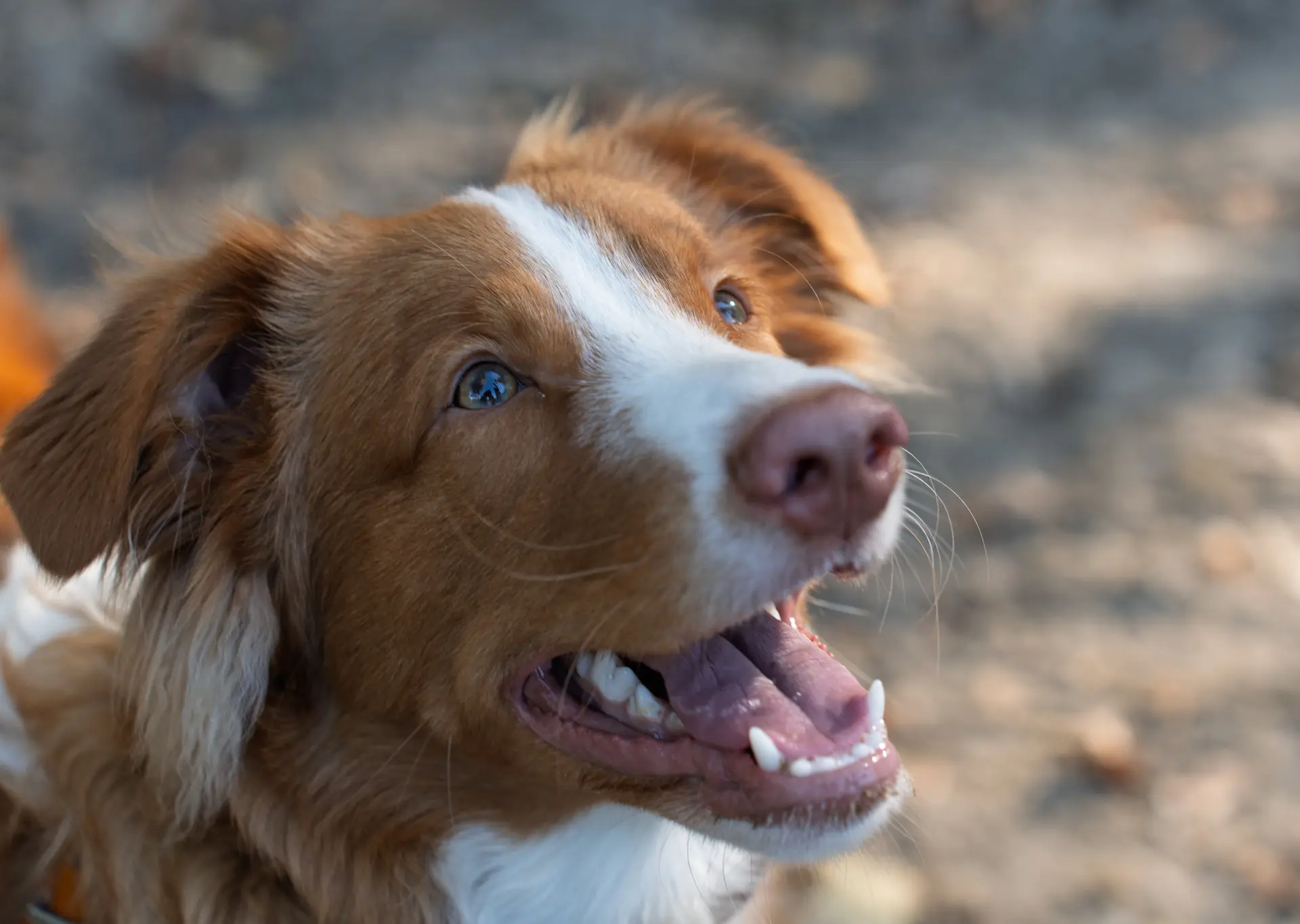
Cleaning Your Dog’s Teeth: The Ultimate Guide to Canine Dental Health
December 17, 2025
Introduction: Why Cleaning Your Dog’s Teeth Matters
A clean mouth means more wagging tails and endless adventures. In fact, vets estimate that 80% of dogs over three years old show signs of dental disease. Left untreated, plaque and tartar can lead to sore gums, tooth loss, and even impact vital organs like the heart and kidneys.
The good news? With the right care, you can keep your dog’s teeth healthy – naturally.
Understanding Canine Dental Health
Common Dental Problems in Dogs
Just like us, dogs are vulnerable to oral health issues such as:
- Plaque and tartar build-up
- Gingivitis (gum inflammation)
- Periodontal disease
- Tooth decay and abscesses
- Tooth loss
How Poor Oral Hygiene Affects a Dogs Overall Health
Untreated dental problems can do more than cause bad breath — bacteria can enter the bloodstream and affect vital organs like the heart, kidneys, and liver. Poor oral hygiene can also lead to:
- Pain when eating
- Drooling or pawing at the mouth
- Persistent bad breath
- Weight loss and reduced appetite
The good news? Just a few minutes of care each week can help prevent these issues and keep your dog happy, healthy, and ready for adventure.
How Often Should You Clean Your Dog’s Teeth?
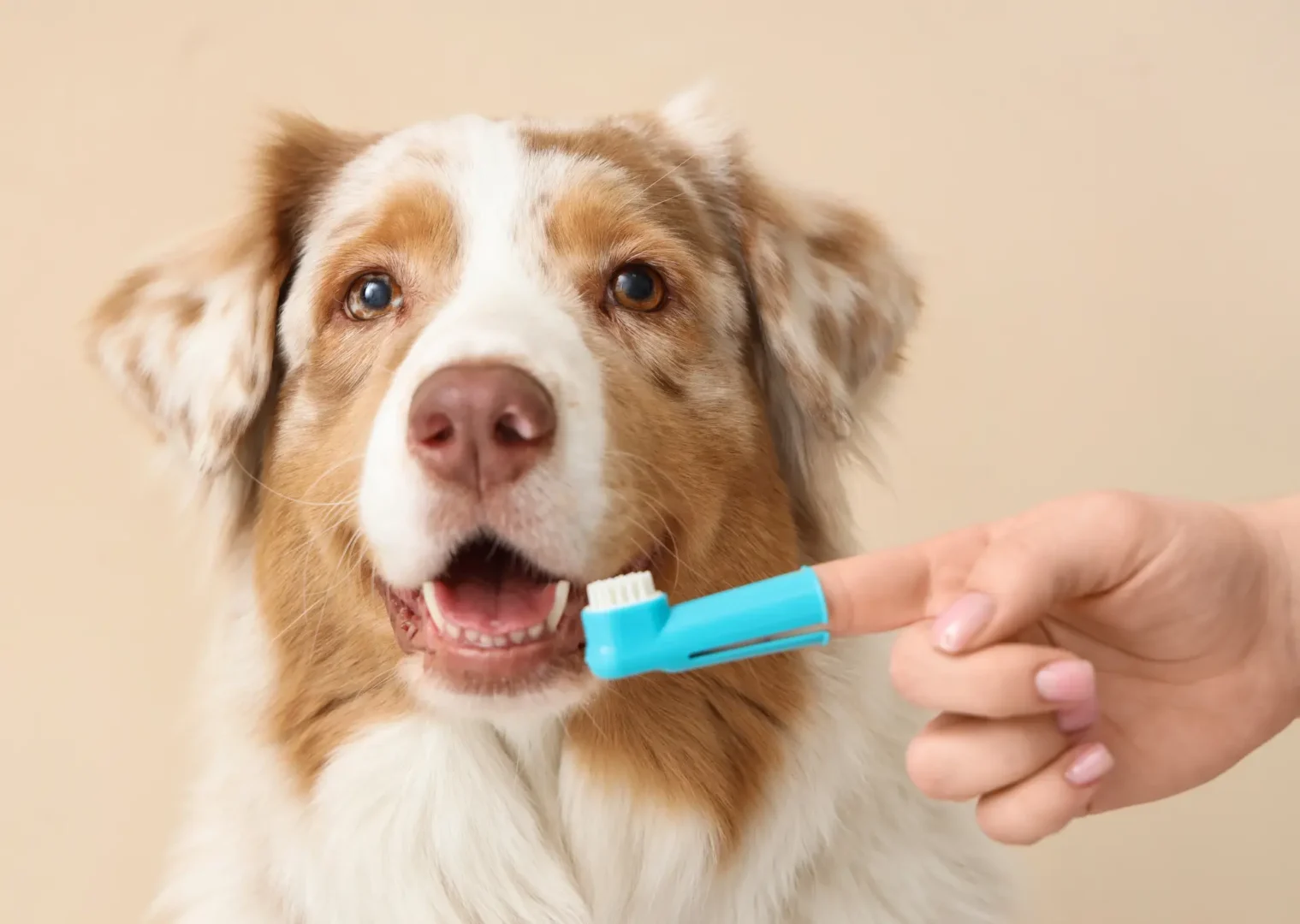
Daily brushing is best for preventing dog dental disease, but even three to four times a week makes a noticeable difference. Consistency matters — regular brushing stops plaque from hardening into tartar, which only a vet can remove.
Schedule an annual dental check-up to keep your dog’s mouth healthy. Smaller breeds like Terriers, Poodles, and Spaniels often need extra attention because their compact mouths are more prone to dental issues.
Step-by-Step Guide to Cleaning Your Dog’s Teeth at Home
What You’ll Need
Before starting, make sure you have:
- A dog toothbrush (or finger brush for beginners)
- Dog-safe toothpaste (never use human toothpaste, as it can contain harmful ingredients)
- A soft cloth or towel
- Plenty of praise and patience!
How to Brush Your Dog’s Teeth
- Find a calm, quiet spot.
- Gently lift your dog’s lips to expose their teeth.
- Apply a pea-sized amount of dog toothpaste to the brush.
- Brush in small circular motions along the gumline.
- Focus on the outer surfaces, where plaque builds up most.
- Reward your dog afterwards with affection or a healthy meal.
Top Tips
- Start slow — a few seconds at a time if your dog’s new to brushing.
- Keep your tone positive and relaxed.
- Make toothbrushing part of your daily routine, perhaps after a walk or meal.
Supporting Your Dog’s Dental Health Naturally
While brushing is the most effective method, you can support your dog’s dental health in other ways too:
- Offer safe chew toys to help reduce plaque build-up.
- Choose a nutritionally balanced diet that supports oral health.
- Provide fresh drinking water daily to help wash away food particles.
- Schedule annual dental check-ups with your vet.
Our natural dog food recipes are crafted to support your dog’s overall wellbeing — promoting strong teeth and healthy gums with balanced nutrition and high-quality ingredients. Because a healthy smile starts with what’s in their bowl.
Professional Dental Cleaning For Dogs: When to See Your Vet
Signs Your Dog Might Need a Professional Clean
- Persistent bad breath
- Bleeding or swollen gums
- Loose or discoloured teeth
- Difficulty chewing or reluctance to eat hard food
What to Expect During a Vet Dental Clean
Your vet will carry out a thorough dental check under anaesthetic, remove tartar, and polish your dog’s teeth to help prevent future build-up. This professional dog dental cleaning is usually recommended once a year, depending on their age and breed.
Homemade Toothpaste for Dogs (Simple & Safe)
If you prefer a natural approach — just like we do — you can make your own dog-safe toothpaste using:
- 1 tablespoon of bicarbonate of soda
- 1 tablespoon of coconut oil
- A few drops of chicken stock or mint extract for flavour
Mix well and store in an airtight container for up to a week. Always check with your vet before introducing any new products.
Common Myths About Cleaning Your Dog’s Teeth
Myth: Dogs don’t need their teeth brushed.
Fact: They absolutely do! Regular brushing prevents gum disease and pain.
Myth: Dental chews alone are enough.
Fact: They can help, but they don’t replace brushing.
Myth: Only older dogs get dental problems.
Fact: Dental issues can start early — even in puppies under a year old.
FAQs About Cleaning Your Dog’s Teeth
1. How often should I brush my dog’s teeth?
Ideally every day, but even three to four times a week helps prevent plaque and tartar build-up.
2. Can I use human toothpaste on my dog?
No — human toothpaste contains fluoride and other ingredients that are toxic to dogs. Always use dog-safe toothpaste.
3. What if my dog doesn’t like brushing?
Start slow. Use your finger to introduce the sensation, reward calm behaviour, and try dental wipes or soft gauze as a gentle alternative.
4. What are the signs of dental disease in dogs?
Watch for bad breath, bleeding gums, yellow tartar, or reluctance to eat.
5. How much does a professional dog dental clean cost in the UK?
Typically £150–£300, depending on your vet and your dog’s condition.
6. What kind of food supports dental health?
A balanced diet with the right texture and nutrients helps promote strong teeth and healthy gums. Explore natural recipes like Applaws Taste Toppers for added goodness.
Conclusion: A Clean Mouth for a Healthier, Happier Dog
Looking after your dog’s teeth is one of the easiest ways to protect their long-term health. With regular brushing, annual dental checks, and a nutritious diet, you can help prevent dental disease and keep them feeling their best every day.
A healthy smile isn’t just adorable — it’s a sign of a happy, thriving dog ready for adventure.
External UK Resources: